

EV Chargers Explained: Level 1, Level 2, and DC Fast Charging

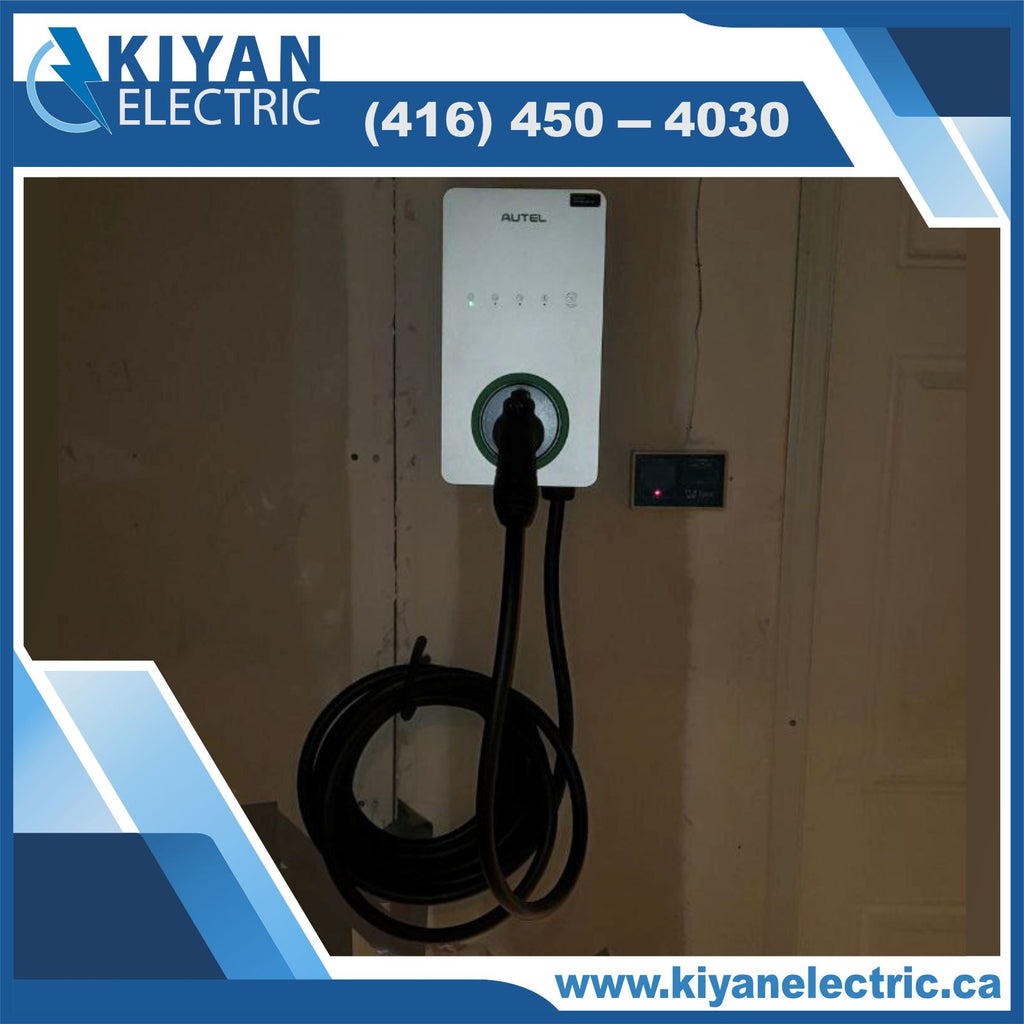
EV charging terms can be confusing when you first bring an electric car home. This guide explains the three common charging categories in plain language. If you want help planning a home installation, send Kiyan Electric your vehicle and property details through our free estimate form.
Level 1: charging from a suitable household circuit
Level 1 equipment uses a 120-volt supply. It adds charge slowly and may suit a driver with modest daily travel and plenty of time parked. Do not assume every vehicle includes this equipment or that any nearby outlet is suitable.
Follow the vehicle and charging-equipment instructions. Have an electrician assess an outlet or circuit if its suitability is uncertain. Do not use an extension cord to reach the car.


Level 2: a common option for home charging
Residential Level 2 charging uses a 240-volt supply and can deliver more power than Level 1. It is also found at workplaces and public parking locations. The electrical work depends on the unit and the property.
Level 2 equipment may be hardwired or designed for a matching outlet. Our comparison of hardwired and plug-in charging explains that separate choice. A charging level describes the charging method, not the shape of the connector alone.

DC fast charging: mainly for public stops and larger sites
DC fast charging supplies direct current to a compatible vehicle. It is commonly used for charging stops during longer journeys. It needs different equipment and infrastructure from a typical home Level 2 installation.
Check your vehicle's specifications before relying on DC fast charging. Some vehicles, including many plug-in hybrids, do not support it. Connector compatibility also needs checking; a station's power rating does not tell you whether it fits your car.

Why there is no single charging time
The battery's starting charge, temperature, vehicle limits, and equipment output all affect the result. A car may accept less power than the station can provide. Fast charging can also slow as the battery fills, so a quoted peak rate is not a promise for the whole session.
Once these basics make sense, our guide to choosing equipment for your car can help with the next decision.
What needs checking at home?
Your electrician needs to review the existing electrical supply and planned charging demand. Neither a spare breaker space nor a large number on the charger proves the setup will work as intended.
Read about load management for EV charging and panel upgrade considerations for background. The assessment should establish whether either approach is relevant.

Location and installation matter too
A driveway installation faces different conditions from a sheltered garage. Our article on outdoor charger placement in Ontario winters covers points to discuss before choosing a mounting spot.
Ask how any required notification and inspection will be handled. Our overview of EV installation permits introduces the subject.

Kiyan Electric can discuss your home charging project once you know the vehicle model and proposed parking location. Start with those details rather than a target charging time copied from another car's specifications.
